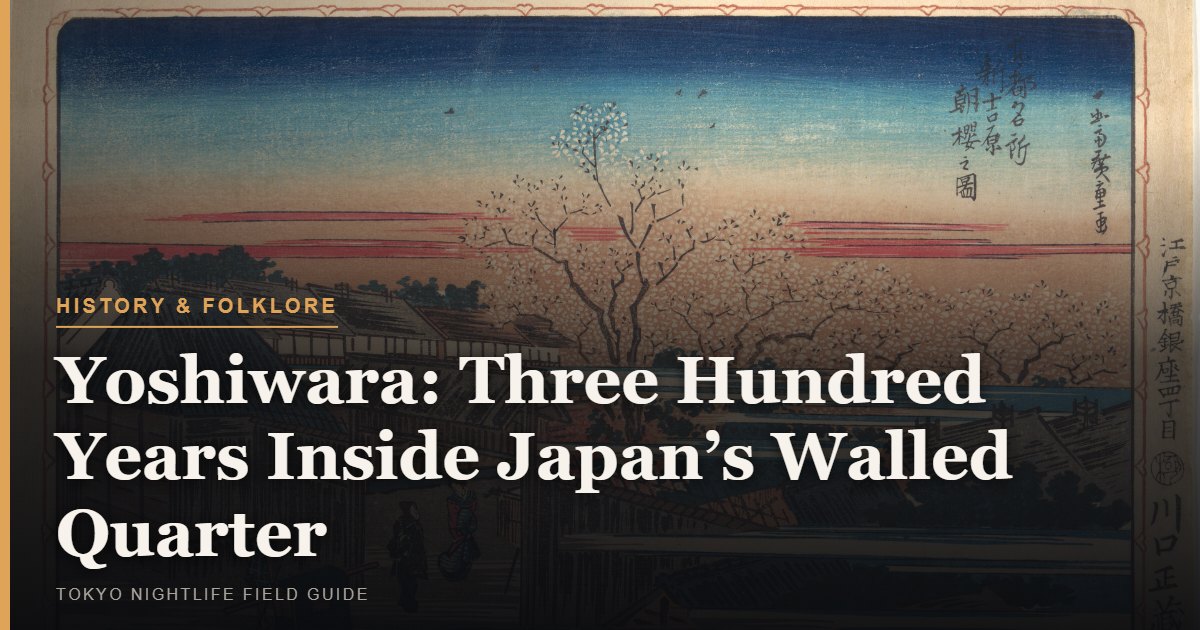
Yoshiwara: Three Hundred Years Inside Japan’s Walled Quarter
The history of Yoshiwara runs for roughly 340 years. The Tokugawa shogunate licensed a single walled pleasure quarter for Edo in 1617, the quarter burned and moved north of Asakusa in 1657, and the same site operated as a licensed prostitution district, under changing laws, until Japan’s Anti-Prostitution Act took full effect on April 1, 1958. What made Yoshiwara unusual was not that sex was sold there, but that the state drew a wall around it, gave it one gate, and treated the women inside as bound by debt contracts that it would enforce.
Below, we follow that story to present-day Senzoku 4-chome in Taito City, using the legal texts themselves, ward and library records, and peer-reviewed scholarship. Where a popular number could not be traced to a primary record, we say so rather than repeat it.
Yoshiwara at a Glance: A Timeline from 1617 to Today
Yoshiwara is easier to understand in phases. Its legal basis changed at least four times, and each change altered who owed whom.
| Year | Event | Source type |
|---|---|---|
| 1612 | Brothel keeper Shoji Jin’emon petitions to consolidate Edo’s scattered brothels into one district | Encyclopedias (Kotobank) |
| 1617 | Shogunate grants a site near today’s Nihonbashi Ningyocho; business opens in the 11th month of 1618 | Encyclopedias (Kotobank) |
| 1657 | Meireki fire; the quarter moves to rice fields north of Asakusa (Shin-Yoshiwara) | Encyclopedias (Kotobank) |
| 1760s | The top rank of tayu disappears from Yoshiwara | Encyclopedia (Kotobank) |
| 1872 | Maria Luz incident; Grand Council of State Proclamation No. 295 frees geisha and prostitutes from indenture | NDL Japanese Law Index; peer-reviewed articles |
| 1873–1945 | Licensed system rebuilt on “rented rooms” and self-registered women | Academic chapter (Mihalopoulos) |
| 1923 | Great Kanto Earthquake; deaths at the Benten pond inside the quarter | Secondary (nippon.com); NDL reference database |
| 1946–1957 | Licensed system abolished; business continues as akasen “special restaurants” | See our red-line and blue-line explainer |
| 1958 | Penal provisions of the Anti-Prostitution Act (Act No. 118 of 1956) take effect April 1 | e-Gov statute |
| 1984 | “Turkish bath” businesses rename themselves “soapland” | See our 1984 renaming article |
Moto-Yoshiwara: A Licensed Quarter in the Middle of Edo (1617–1657)
The first Yoshiwara, now called Moto-Yoshiwara (“original Yoshiwara”), sat near today’s Nihonbashi Ningyocho in Chuo City. According to the Nihon Rekishi Chimei Taikei entry on Kotobank, a brothel keeper named Shoji Jin’emon petitioned in 1612, on behalf of operators scattered across Edo, to gather them in one place. Permission came in 1617, and the quarter opened in the eleventh month of 1618, which is why English sources such as nippon.com give 1618 while Japanese reference works date the license to 1617.
Edo in the 1610s was a new capital full of men. The usual explanation for the license is that one supervised block made it easier to watch for fugitives, collect obligations from brothel owners, and keep unlicensed prostitution illegal everywhere else. Kyoto (Shimabara) and Osaka (Shinmachi) had comparable quarters. Japanese reference works record the early name as 葭原, “reed field,” for the marsh it stood on, later written with the more auspicious 吉原, “lucky field.”
The quarter received a fixed plot, about two cho (roughly 220 meters) on each side, in exchange for keeping prostitution inside it. Yoshiwara was a bargain between a government and a group of businessmen. The women who worked there were not parties to it, and that imbalance runs through every later chapter.
The 1657 Move: The Meireki Fire and the Birth of Shin-Yoshiwara
By the 1650s, Edo had grown around the quarter, and the shogunate had already ordered it to move. The Meireki fire of 1657, which destroyed much of the city in the first month of that year, settled the matter. The Sekai Daihyakka Jiten entry on the same Kotobank page says the fire made the relocation “decisive,” and the operators chose rice fields between Asakusa and Sanya. Sources differ on the month the move was completed, so we say only that it was finished later in 1657. The new district was Shin-Yoshiwara, “New Yoshiwara.”
The move was negotiated, not simply ordered. According to that entry, the operators received a plot about 50 percent larger than before, relocation money of more than 10,000 ryo, exemption from some civic duties such as fire-brigade service, and, most importantly for the business, permission to trade at night. The original quarter had been a daytime operation. The new one, far from the city center and lit after dark, became the “nightless city” that later writers described.
Getting there: the embankment, the slope, and the canal
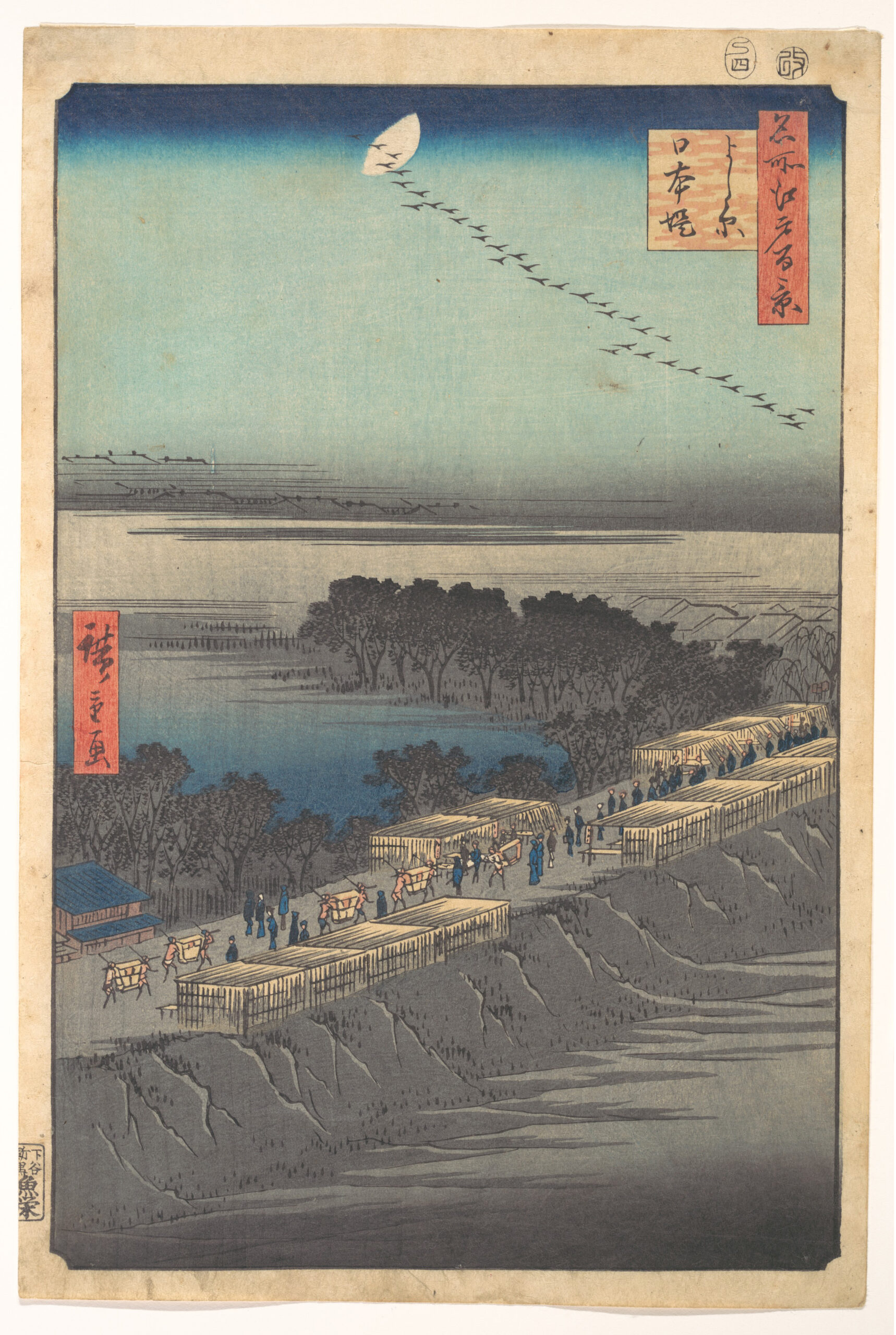
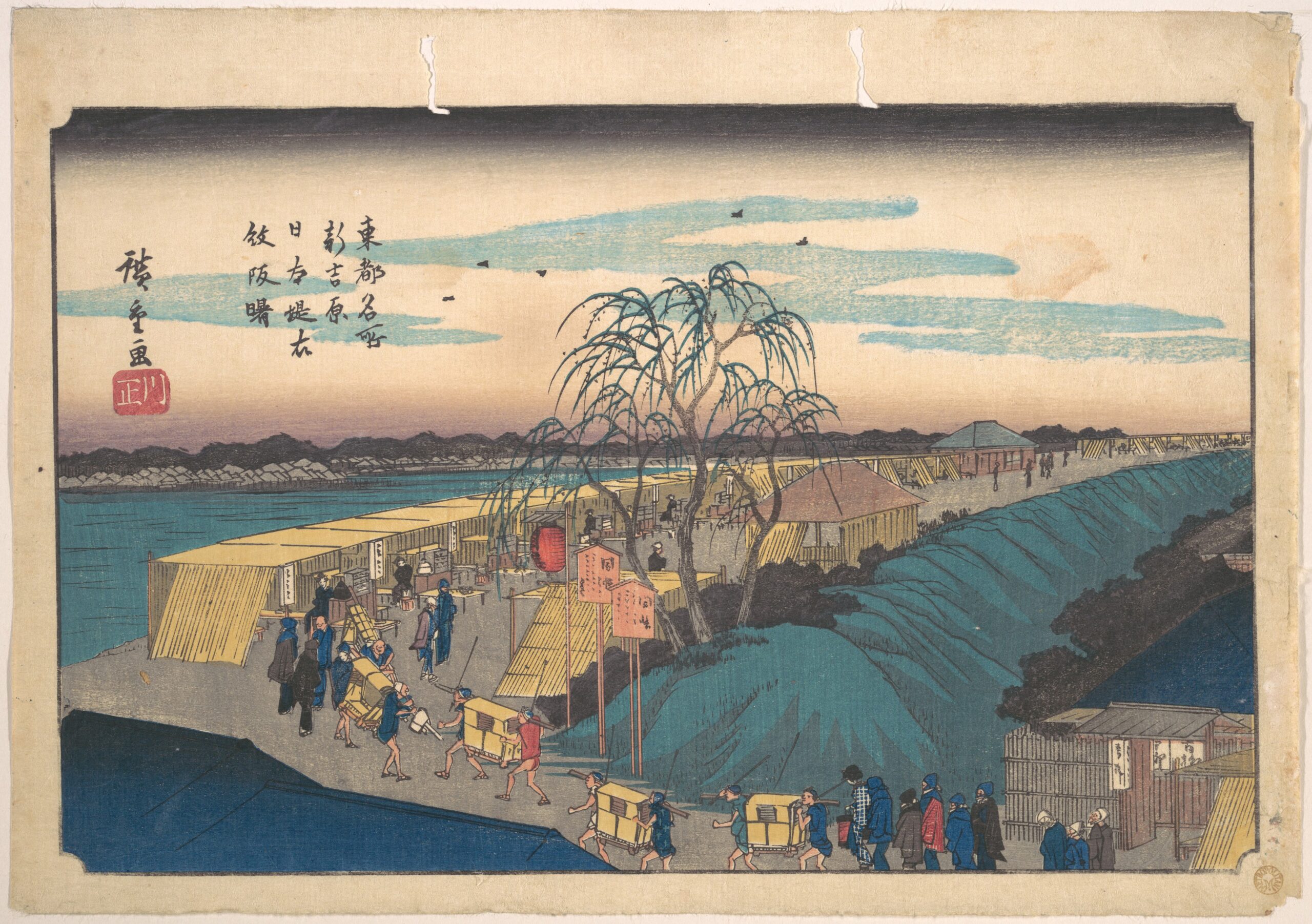
Visitors walked along the Nihonzutsumi, a raised flood embankment, or came by boat up the Sanyabori canal from the Sumida River. From the embankment, a road called Emonzaka (“robe-adjusting slope”) curved down toward the gate. The S-curve still exists and is often said to have been designed to hide the quarter from view. That is plausible, but we found no primary document stating it as the builders’ intent.
Inside the Walls: One Gate, a Moat, and What Enclosure Did
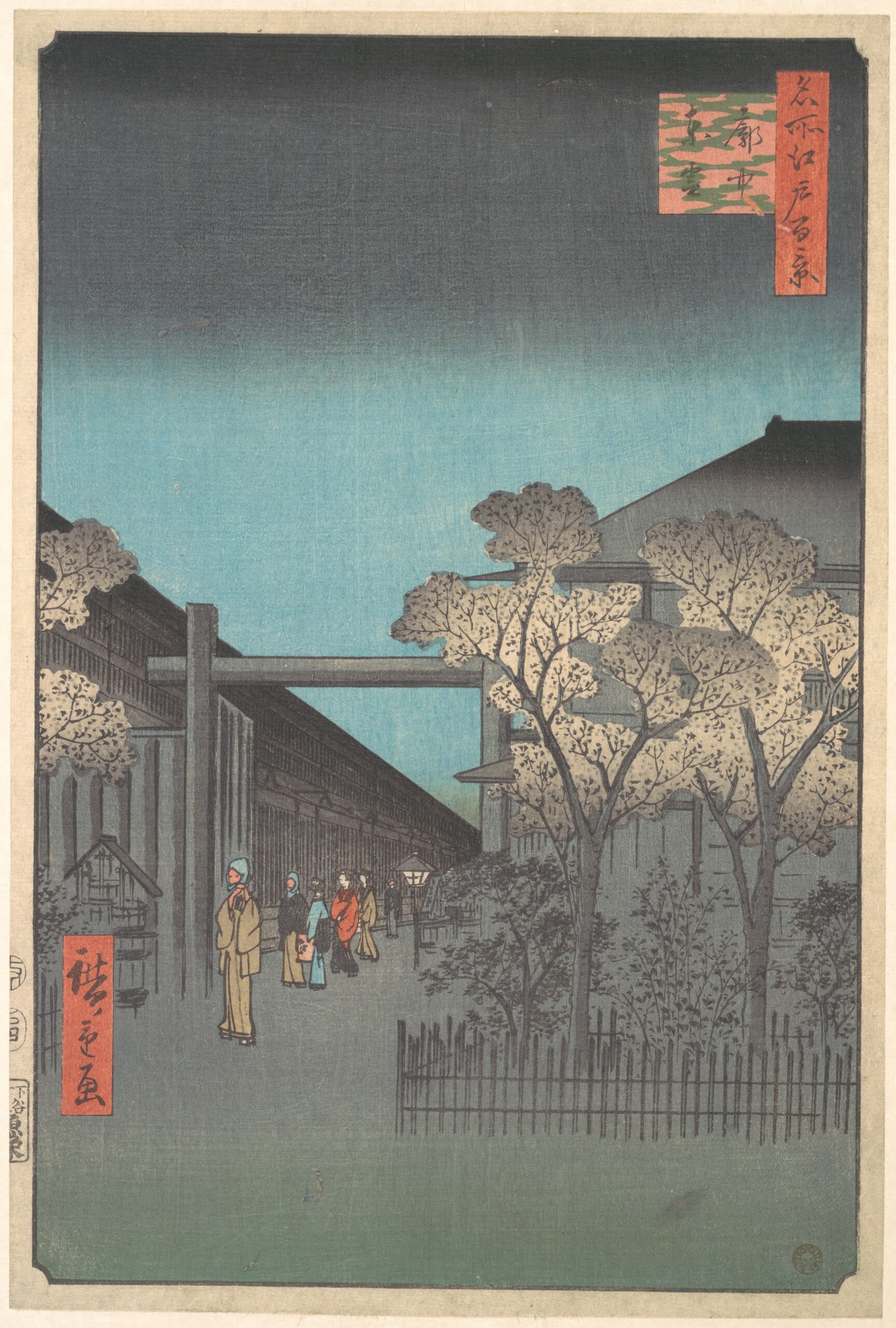
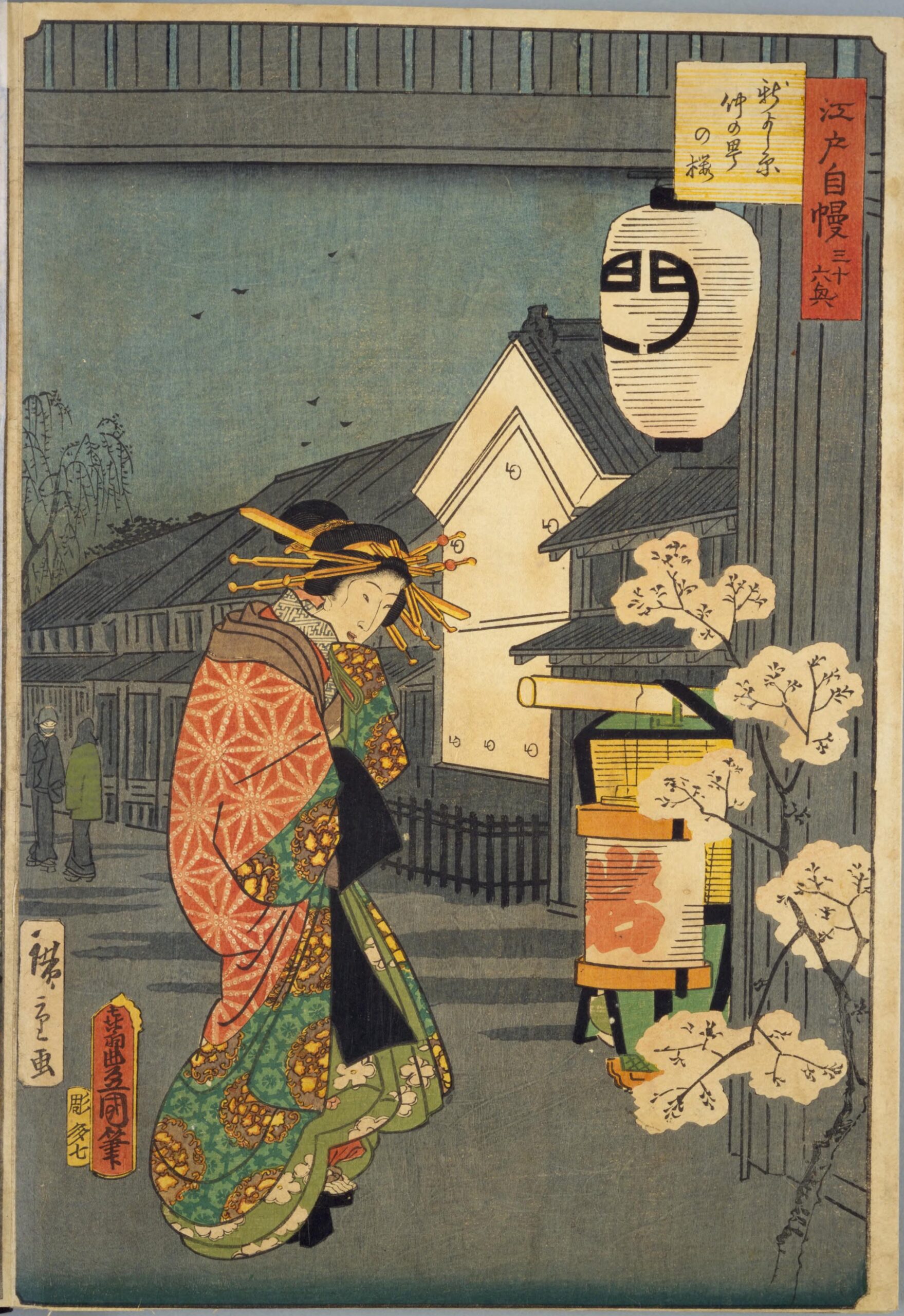
Shin-Yoshiwara was laid out as a rectangle of streets with a wide central avenue, Nakanocho, running from the gate through the middle. The blocks on either side carried names such as Edo-cho, Kyomachi, Sumicho, and Ageyacho, names that survived as official addresses until the 1960s. The whole rectangle was enclosed by a wall or fence and a ditch, and there was one main entrance, the Omon (Great Gate).
The Omon gate
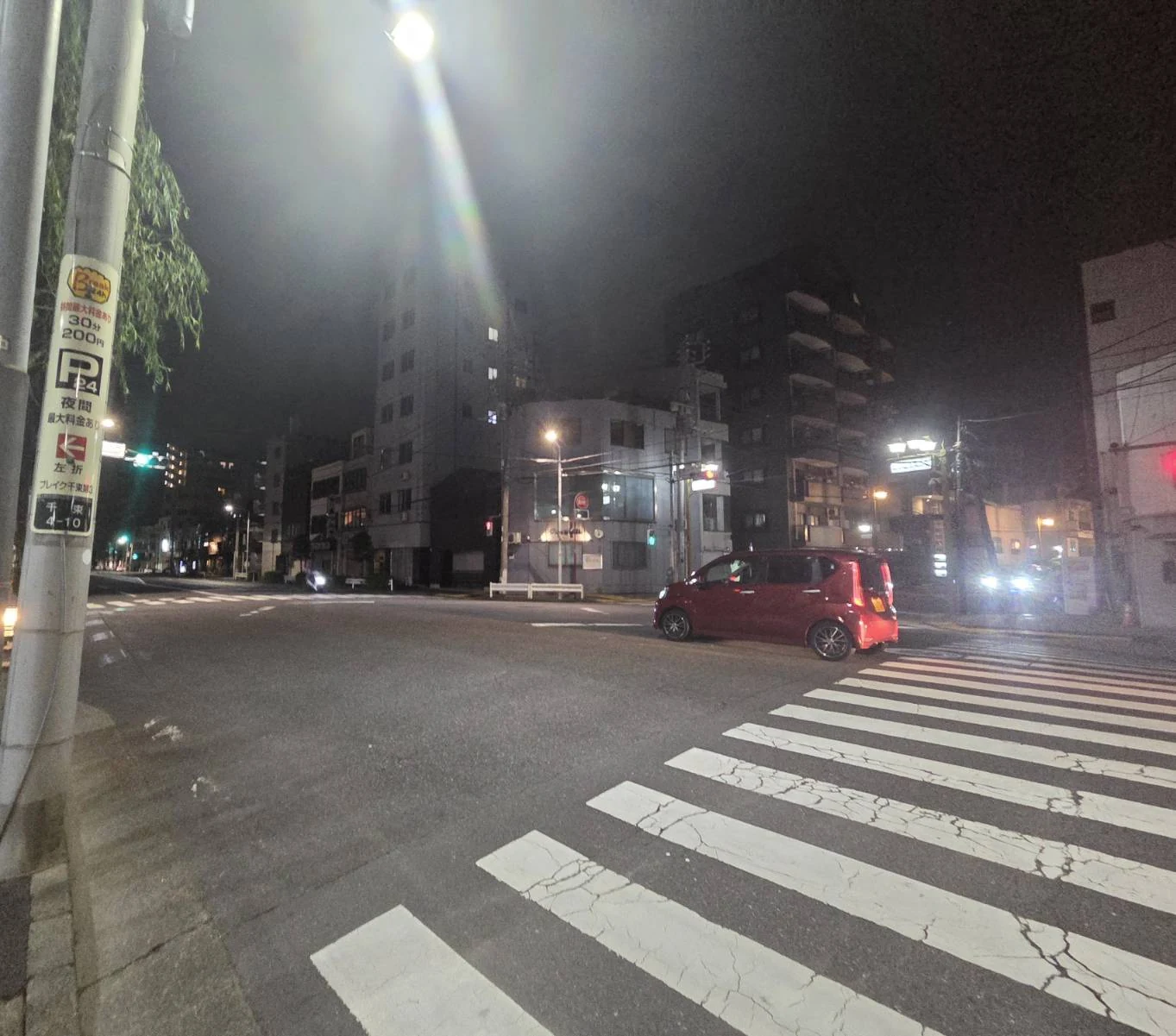
A single gate made the quarter easy to supervise. Guards could watch who came and went, and the arrangement is usually described as aimed less at keeping customers out than at keeping the women in: a woman leaving needed permission, and the surrounding land was rice paddy. The gate is gone, but the intersection, a bus stop, and a gatepost marker still carry the name “Yoshiwara Omon.”
The Ohaguro-dobu moat
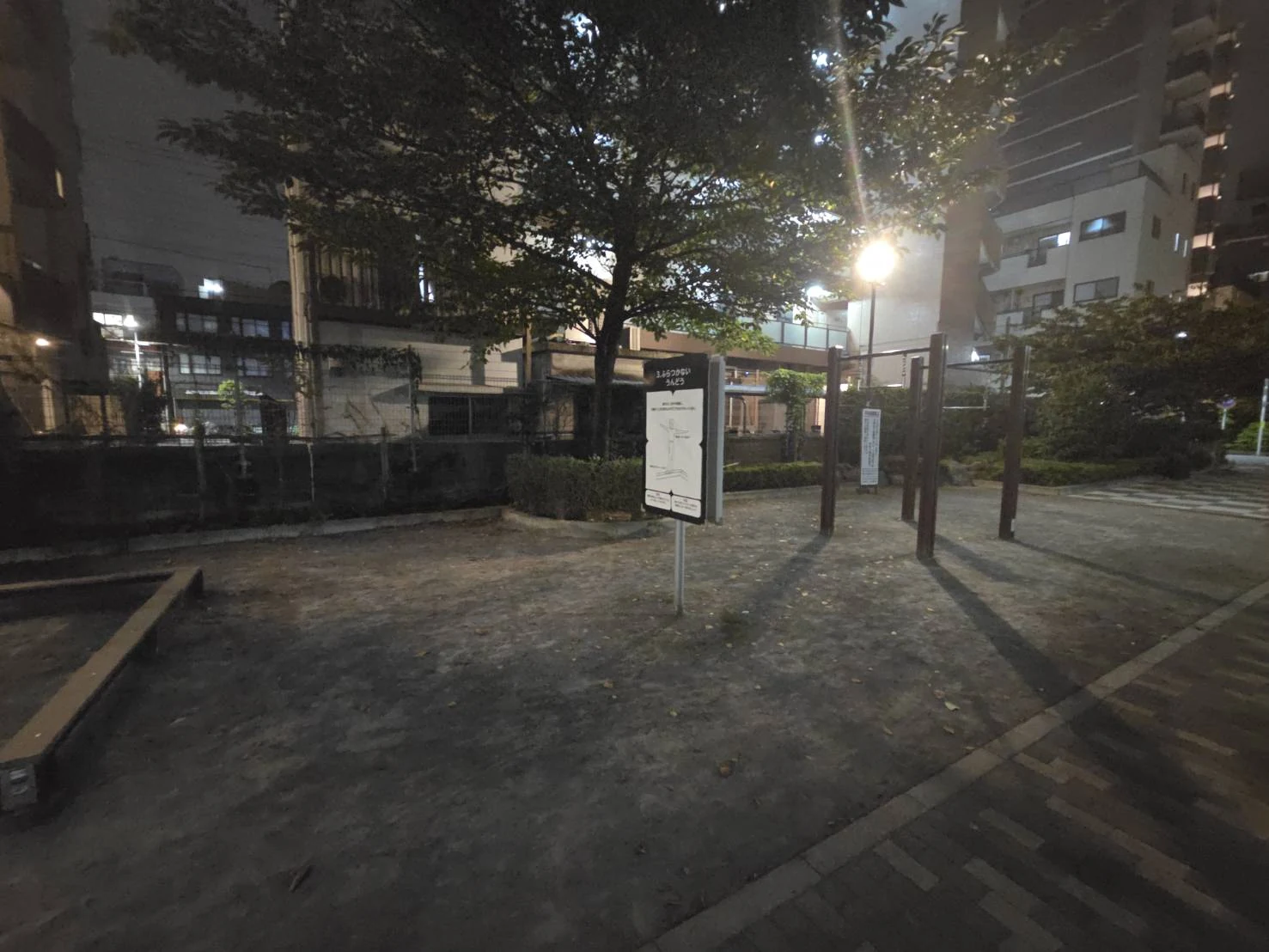
Around the outside ran a ditch called the Ohaguro-dobu, “tooth-blackening ditch,” a name usually explained by its dark, stagnant water. Different widths are quoted for different periods, and without a primary survey to settle them we give no figure. Its function is clear: with the wall, it made the quarter an island entered and left only at controlled points. Along parts of the old perimeter, a drop in ground level still marks its line.
Enclosure produced two things at once. For customers, it created a self-contained world with its own customs, fashions, and festivals, including the famous cherry trees planted along Nakanocho each spring. For the women, it created a physical expression of debt. They could not simply walk away from what they owed, because walking away meant passing a guarded gate.
Ranks, Guidebooks, and the Economics Behind the Glamour
Yoshiwara ran on hierarchy. Every woman had a rank, every house had a grade, and customers were expected to know both. The system also changed over time, which is why English sources that describe one fixed ladder are often mixing up different centuries.
From tayu to yobidashi chusan
In the seventeenth century, the highest rank was tayu, followed by koshi and lower grades. Japanese encyclopedias summarized on Kotobank state that the tayu disappeared from Yoshiwara in the 1760s, replaced by ranks derived from the later sancha class: yobidashi at the top, then chusan, then zashikimochi. Trainees were shinzo, and girl attendants kamuro. A popular but unconfirmed explanation makes the word oiran a contraction of what attendants called their senior, roughly “our big sister.” For how oiran differed from geisha, see our guide to oiran and geisha.
| Period | Top rank(s) | Lower ranks | Attendants and trainees |
|---|---|---|---|
| 1600s | Tayu, koshi | Lower grades (names varied) | Kamuro |
| Late 1600s–1750s | Tayu (fewer and fewer), sancha rising | Sancha and lower grades | Kamuro, shinzo |
| 1760s onward | Yobidashi, chusan (together called “oiran”) | Zashikimochi and lower grades | Kamuro, shinzo |
Saiken: the printed guidebooks
Rank was public information. Publishers in Edo sold Yoshiwara saiken, small guidebooks that listed each house, the women in it, their ranks, and the charges. The National Diet Library’s digital collections hold a 1740 edition (Genbun 5) published by Urokogataya Magobei, released under a public domain mark. Saiken are among the best primary sources for the quarter’s structure, because they were commercial documents meant to be accurate enough to be useful.
Who paid whom
The daily economy had several layers. A wealthy customer seeking a top-ranked woman usually went first to an introducing teahouse (hikite-jaya) on Nakanocho, which arranged the meeting and billed him; the encyclopedia entry on oiran notes that teahouse geisha and gratuities came on top of the house fee. The house took most of the fee. The woman’s share was consumed by what she owed: her purchase price, clothes, bedding, and her attendants’ keep. As a result, debt tended to grow rather than shrink over a contract. We quote no fees here: prices varied by rank, house, and decade.
Indenture, Debt, and Death: What the Records Can and Cannot Show
Popular articles get this part wrong in both directions: some romanticize the quarter, others repeat shocking statistics without sources. The honest position is that the structure of coercion is well documented, while many specific numbers are not.
Women typically entered Yoshiwara through a fixed-term “service” contract, with a lump sum paid in advance to their family or a broker. In law it was employment; in practice, as the Meiji government later acknowledged, it was the sale of a person. In the 1872 Maria Luz proceedings, according to historian Bill Mihalopoulos, the ship’s lawyer pointed out that Japanese indentures for geisha and licensed prostitutes ran for six to eight years. nippon.com notes that service conventionally ended at age 27 by the traditional count. Many women never finished a term debt-free.
Jokanji and the “22.7 years” figure
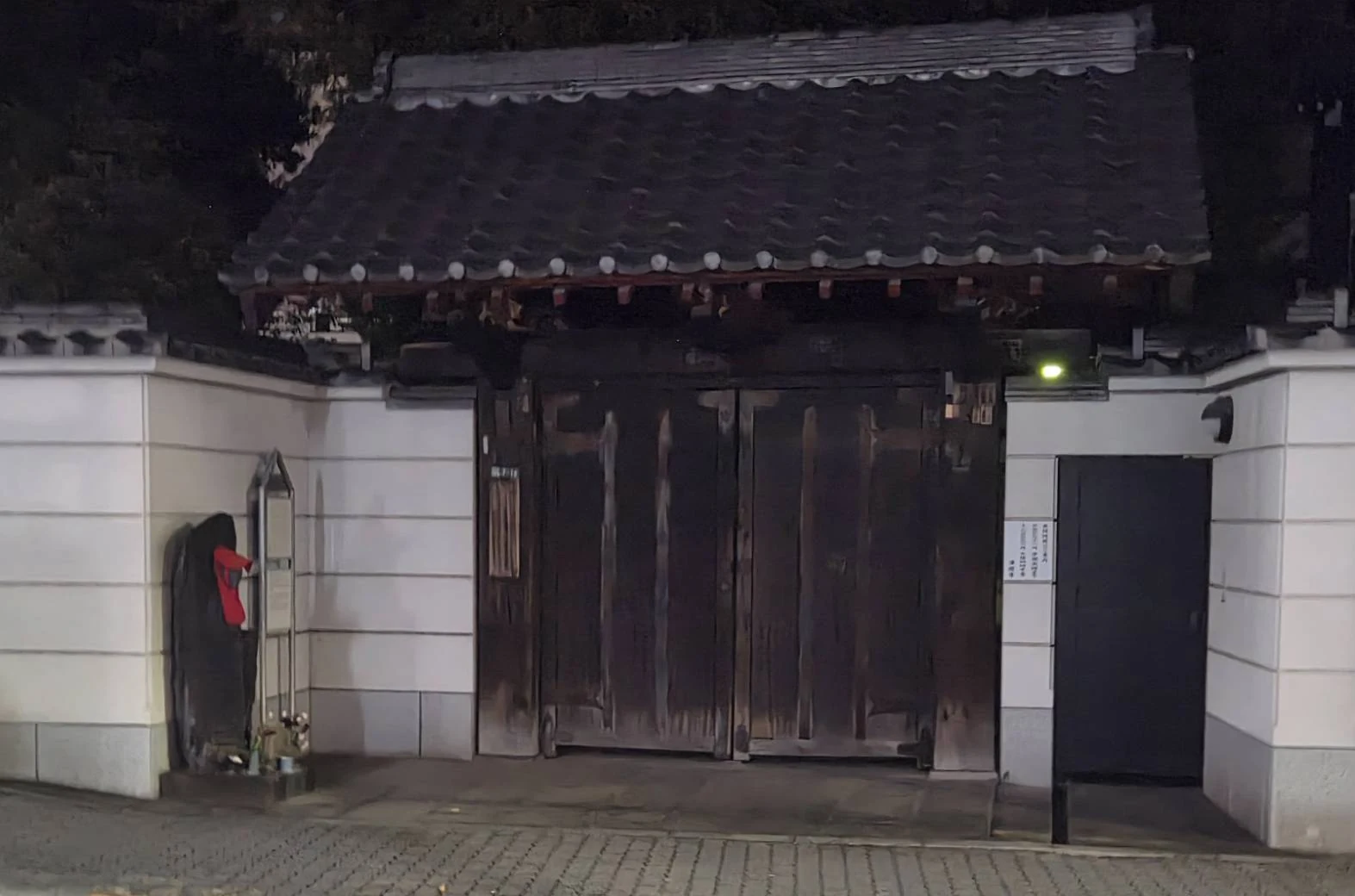
A short walk north of the old gate, in Minami-Senju, stands Jokanji, a Pure Land Buddhist temple founded in 1655. Arakawa City’s official description says the temple came to be called nagekomi-dera, “the temple where they were thrown in,” because the bodies of Shin-Yoshiwara women killed in the Ansei earthquake of 1855 were buried there almost as if thrown in. The temple’s memorial tower for Shin-Yoshiwara carries a verse often translated as “Born into a world of suffering, dead at Jokanji.” The novelist Nagai Kafu visited often, and his memorial stands there too.
A figure often repeated is that Yoshiwara women died at an average age of 22.7. As far as we could trace it, this comes from historian Nishiyama Matsunosuke’s study of Jokanji’s death register, which, according to a Fujin Koron column by historian Hongo Kazuto, lists about 1,940 apparent Yoshiwara women between 1743 and the end of the Edo period. We did not see Nishiyama’s original. And an average age at death from one temple’s burials is not a life expectancy: women who left the quarter and died older elsewhere are not in it. It shows that many died young inside Yoshiwara, not the fate of everyone who worked there.
Numbers we could not verify
We checked the most common figures against what we could actually open.
| Claim you will see | What we found | Status |
|---|---|---|
| “3,000 to 5,000 women worked in Yoshiwara” | Given by nippon.com as an estimate, with oiran about 2 percent of the total | Estimate only; varied by period |
| “25,000 women are buried at Jokanji” | Arakawa City’s page gives no number; we could not reach the temple’s site | Unverified |
| Average age at death of 22.7 | Attributed to Nishiyama’s reading of the Jokanji register (about 1,940 names) | Secondary report; original not seen |
| About 490 died in the Benten pond in 1923 | Police reported “five hundred and several tens” dead at the pond; who they were is disputed | Figure approximate; identities contested |
1872: The Maria Luz Incident and the Emancipation Edict
In July 1872, the Peruvian vessel Maria Luz, carrying Chinese laborers from Macao to Peru, entered Yokohama. According to historian Heidi Tinsman, writing in the Journal of Global History in 2024, one laborer jumped overboard and sought refuge on a British warship. The ship was carrying 218 Chinese men, 12 boys, and one eight-year-old girl, all bound by eight-year indenture contracts. Japanese authorities took jurisdiction, heard the case, and refused to enforce the laborers’ contracts, freeing them. Tinsman notes that a later arbitration by the Russian emperor upheld Japan’s position.
“Like horses and oxen”
During the proceedings, the lawyer F. V. Dickins, acting for the ship’s side, made an argument that embarrassed the Japanese government. If Japan would not enforce coolie contracts, he said, how could it tolerate the indenture of its own geisha and licensed prostitutes? Daniel Botsman, in a 2011 article in the American Historical Review, places this moment at the center of what he calls Meiji Japan’s “emancipation moment.” Within months, the government acted.
Grand Council of State Proclamation No. 295 of 1872, recorded in the National Diet Library’s Japanese Law Index, banned the buying and selling of people, limited servant contracts, released geisha and prostitutes from indenture, and barred lawsuits over the related loans. According to Mihalopoulos, it was dated the second day of the tenth month of Meiji 5 under the old calendar, November 2, 1872 in Western terms. A Ministry of Justice order a week later, as translated by Mihalopoulos, said these women had been “deprived of their rights” and reduced to “horses and oxen,” and that just as horses and oxen cannot be asked to repay debts, neither could they.
Why emancipation did not close the quarter
The edict freed women from contracts, but it did not ban prostitution, and it did not give women anywhere else to go. By early 1873, Mihalopoulos writes, the Ministry of Finance had set out a new framework: brothels became “rental room” businesses (kashizashiki), and each woman was treated as an independent contractor who rented space and registered herself with the authorities. Loans could be arranged separately. The legal wording changed; the economic pressure largely did not. The Proclamation itself stayed on the books until it was abolished by a law of 1898, according to the NDL index.
The Licensed System, 1873–1945: Fire, Earthquake, and War
For the next seven decades, Yoshiwara was a licensed district of the modern Japanese state rather than of the shogunate. Under the framework set up in 1873, each woman registered herself with the authorities, and the quarter was rebuilt more than once after disasters. J. E. De Becker’s The Nightless City (Yokohama, 1899), now in the public domain, gives a foreign resident’s snapshot of the Meiji-era system.
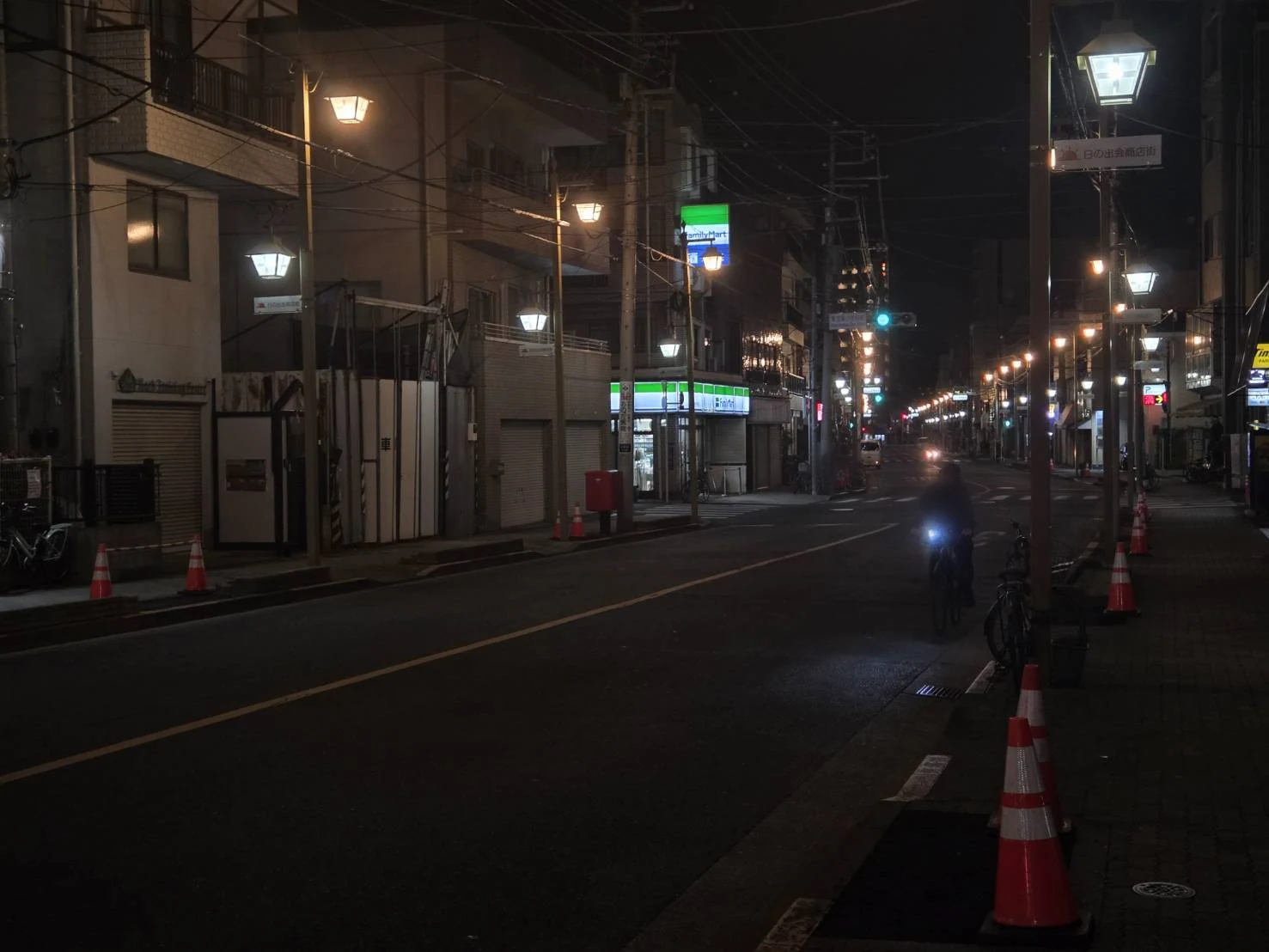
A major fire destroyed much of the quarter in 1911, according to the nippon.com report cited below, and the district was rebuilt. What did not change, through this fire and the disasters that followed, was the ground plan: one rectangle, one main axis, one historic gate site. That continuity is why the straight central street of Senzoku 4-chome still follows the line of Nakanocho on Edo-period maps.
The 1923 earthquake and the Benten pond
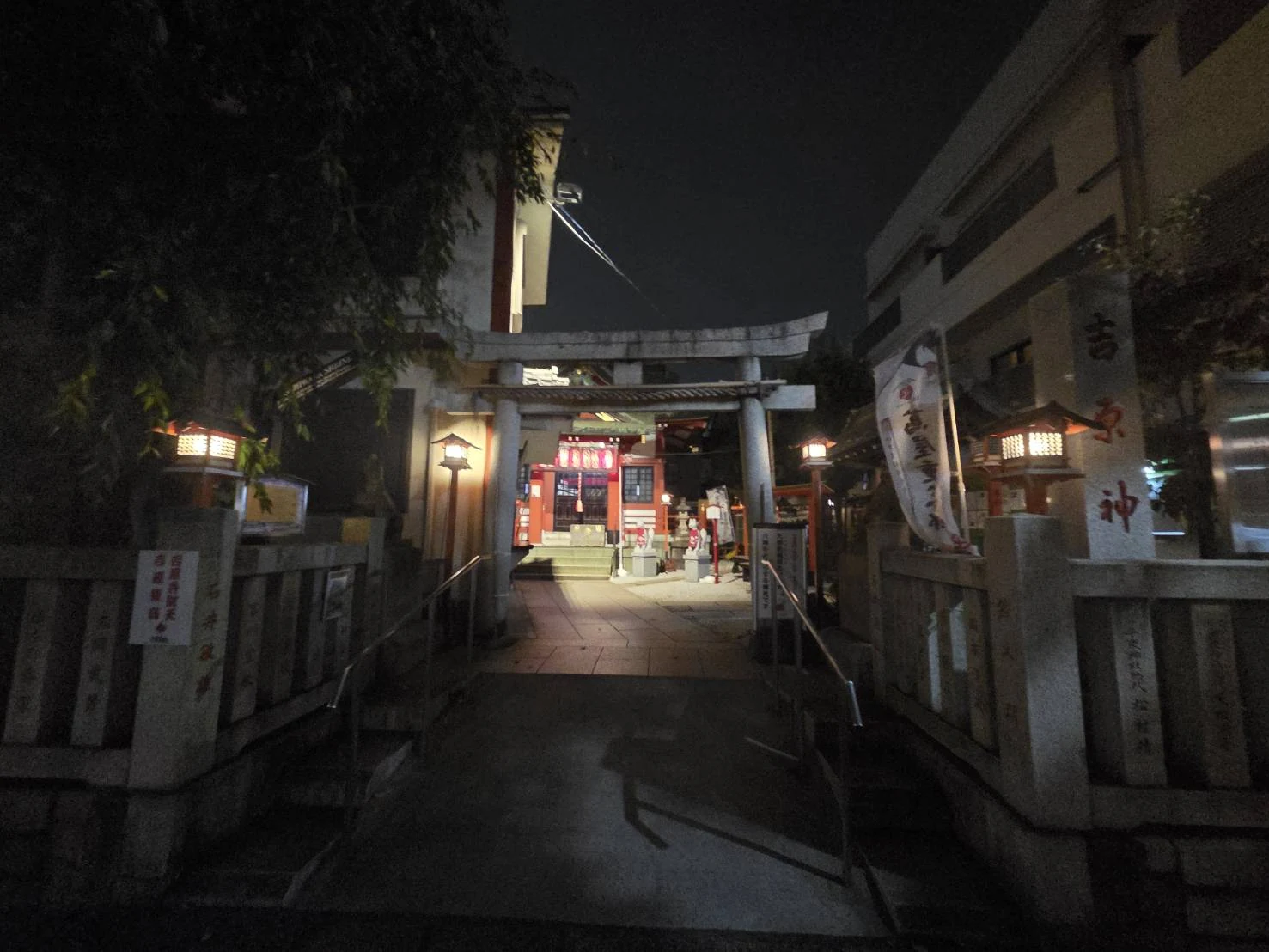
On September 1, 1923, the Great Kanto Earthquake and its fires swept through the quarter. Many people fled into the Benten pond at its edge and died there. A nippon.com centennial report says police recorded “five hundred and several tens” dead at the pond, and argues that the story that nearly all were Yoshiwara women does not hold up, since many fled in from outside. The Taito City Central Library, answering in the NDL’s collaborative reference database, notes the pond was filled in by 1959; a memorial pool and Kannon statue remain at the Yoshiwara Benzaiten.
1945: destruction and the RAA
American air raids in 1945 caused heavy damage to the district, according to nippon.com. Within weeks of Japan’s surrender, the government itself organized “comfort facilities” for occupation troops through the Recreation and Amusement Association, a chapter we cover in our article on the RAA and Japan’s official postwar comfort facilities. It is a reminder that the state’s role in organizing the sex trade did not end with the Edo period.
1946–1958: From Licensed Quarter to Red Line to Closure
In January 1946, an Occupation directive (SCAPIN-642) ordered the abolition of licensed prostitution. Japan’s licensed system formally ended, but the business did not. Operators in places like Yoshiwara reregistered as “special restaurants,” and the police marked such districts on maps with red lines. That is the origin of the term akasen, explained in our article on Japan’s red lines and blue lines.
The end came through legislation. The Anti-Prostitution Act (Act No. 118 of 1956) was promulgated on May 24, 1956. According to its supplementary provisions, published on e-Gov, the act took effect on April 1, 1957, but Chapter 2, which contains the criminal penalties, took effect only on April 1, 1958. That one-year gap gave operators time to close or convert, and it is why March 1958 is remembered as the end of the red-line era. We tell that story, including the political fight that led to the act, in 1958: the year Japan closed the red lines.
It is worth being precise about what the act did. Article 3 says that no one may engage in prostitution or be its customer, but no penalty is attached to Article 3 itself. The penalties fall on the surrounding acts: public solicitation (Article 5), arranging prostitution (Article 6), knowingly providing a place for it (Article 11), and, most severely, making a business of having people live in a place one controls and engage in prostitution there (Article 12). Article 12 describes almost exactly how a licensed Yoshiwara house had worked. That design shaped everything that happened to the district afterward.
After 1958: Bathhouses, “Soapland,” and Senzoku 4-chome
After 1958, many premises in the former quarter reopened as bathhouse businesses, which at the time were called “Turkish baths.” The bathhouse format had begun in Tokyo in 1951 and spread in the years after the red lines closed. In 1984, after a campaign started by a Turkish student in Japan, the industry dropped the name and adopted “soapland.” Our article on how “Turkish bath” became soapland covers that change and the 1984 amendment to the entertainment business law that came at the same time.
The historic block names of Edo-cho, Kyomachi, Sumicho, and Ageyacho did not survive the postwar period as addresses. Japanese reference sources date the change to the mid-1960s (1965 or 1966, depending on the source; we did not see Taito City’s own address-reform records), when the former quarter became Senzoku 3-chome and 4-chome. The name “Yoshiwara” now survives in the Yoshiwara Shrine, the Yoshiwara Benzaiten, the Yoshiwara Omon intersection, and a bus stop of the same name.
What remains is a legal gray zone, not a heritage site
Senzoku 4-chome is widely described as Japan’s largest concentration of soapland businesses. We do not name or describe them. Two points matter. First, the Anti-Prostitution Act remains in force; these businesses operate as bathhouses under a separate law, in a legally contested space. Second, this is also an ordinary neighborhood of homes and small shops. For how a different Tokyo entertainment district grew up after the war, see how Kabukicho became Kabukicho.
Visiting the Site Respectfully: What Remains of the Quarter
What survives of historic Yoshiwara is small, free, and easy to miss, and can be seen on a daylight walk from Minowa Station or Asakusa.
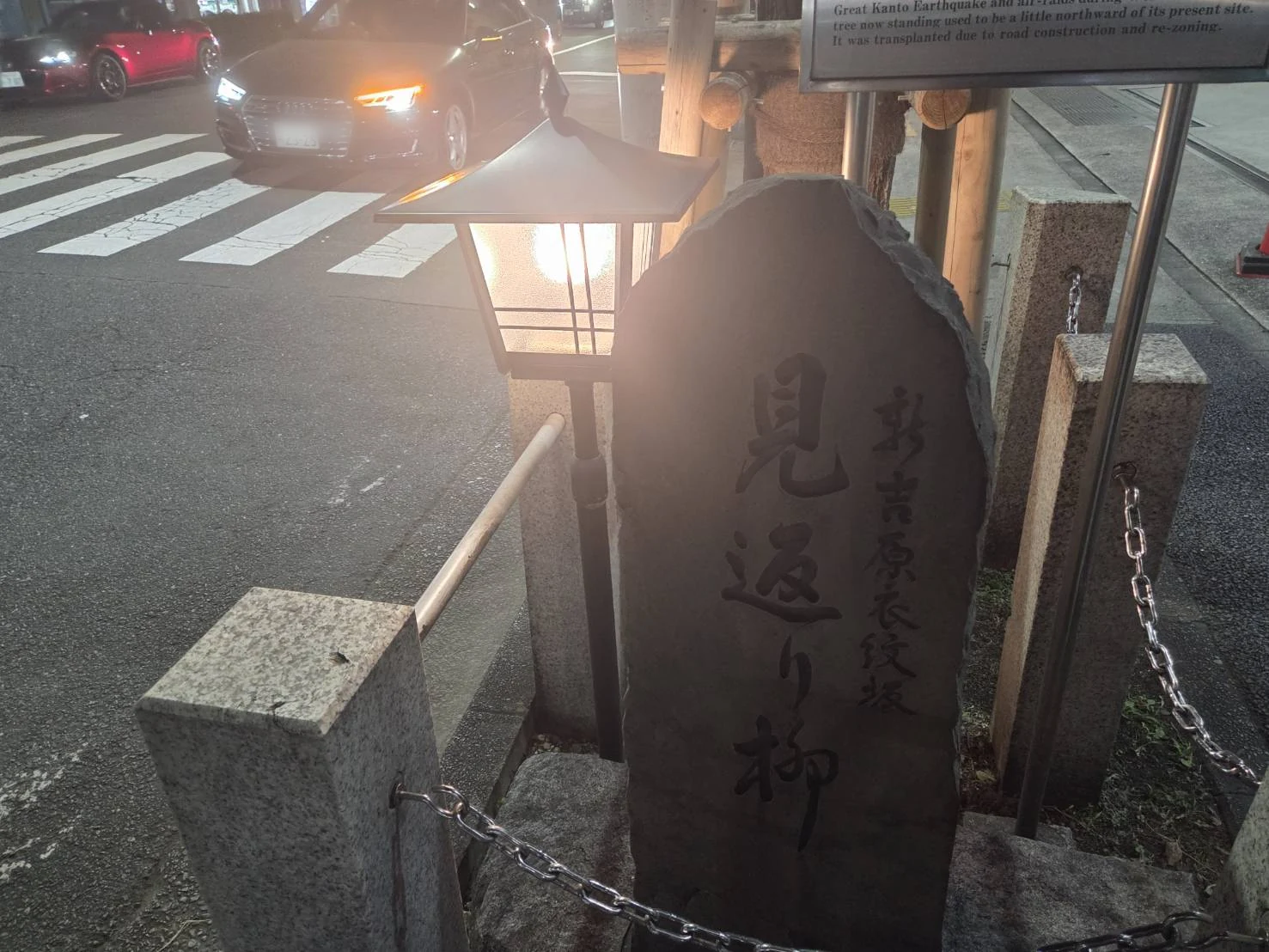
- Mikaeri Yanagi (Senzoku 4-10-8): the “look-back willow” at the Yoshiwara Omon intersection. Taito City’s tourism site explains that it once stood beside the Sanyabori canal and has been moved and replanted.
- Yoshiwara Shrine and Yoshiwara Benzaiten: the Benzaiten holds the 1923 memorial.
- Sanyabori Park: a long, narrow park built over the canal that boats once used to reach the quarter.
- Jokanji (Minami-Senju 2-1-12, Arakawa City): the temple and memorial tower. Arakawa City notes that a memorial service for Nagai Kafu is held each year on April 30.
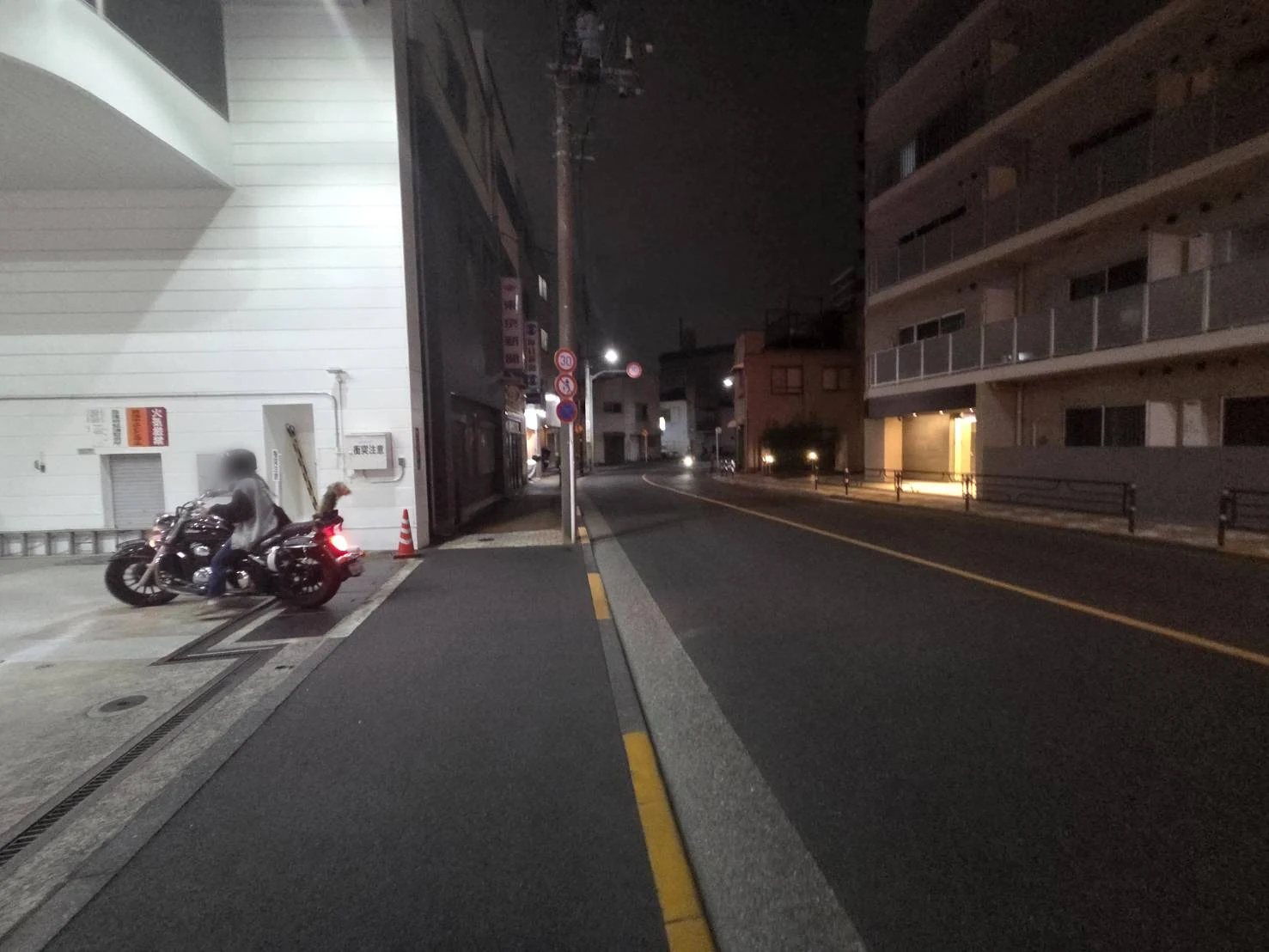
Treat the area as what it is: a residential neighborhood and, in part, a place of mourning. Do not photograph people, staff, vehicles, or business signs; keep cameras for the willow, the shrines, and the street plan. At Jokanji, follow the usual etiquette of a Japanese temple cemetery. Ignore anyone who approaches you on the street, and remember that the businesses in the district operate in a legally contested space. A history walk here should end with the history.
Frequently Asked Questions About the History of Yoshiwara
When was Yoshiwara founded, and when did it close?
The shogunate licensed the original quarter in 1617, and it opened in 1618 near today’s Nihonbashi Ningyocho. It moved north of Asakusa after the Meireki fire of 1657. It functioned as a licensed district until the licensed system was abolished in 1946, and then as a red-line district until the Anti-Prostitution Act’s penalties took effect on April 1, 1958.
Why was Yoshiwara walled?
A single gate and an enclosing ditch, the Ohaguro-dobu, allowed the authorities and the brothel owners to control movement. Customers could come and go through the gate; the women, bound by debt contracts, could not leave without permission.
What did the 1872 Emancipation Edict change?
Grand Council of State Proclamation No. 295 banned the sale of people, released geisha and prostitutes from their indentures, and barred lawsuits over related loans. It followed the Maria Luz incident, in which Japan refused to enforce the contracts of Chinese laborers and was accused of tolerating similar contracts at home. Within months, a “rental room” system let the business continue in a new legal form.
How many women worked in Yoshiwara, and how young did they die?
Reliable totals are hard to pin down. Estimates of 3,000 to 5,000 women are common, but they vary by period. The often-quoted average age at death of 22.7 comes from one historian’s study of a single temple’s death register and is not a life expectancy.
Is Yoshiwara still there?
The name no longer appears in official addresses; the former quarter became Senzoku 3- and 4-chome in Taito City in the mid-1960s. The street plan, the willow, the shrine, and the gate site remain. The area is now known for bathhouse businesses and is also a residential neighborhood.