Twelve Red Flags Before You Sit Down Anywhere
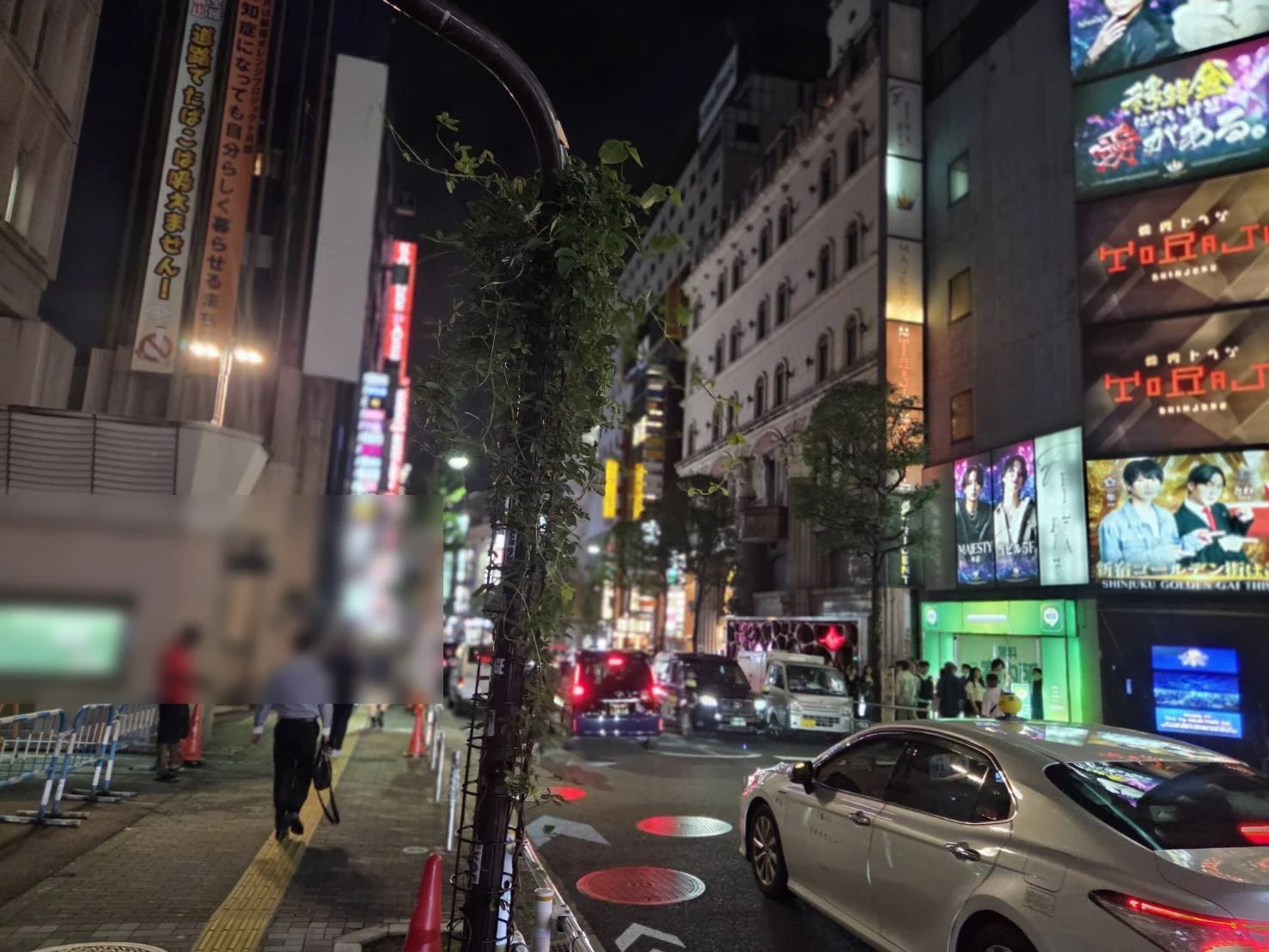
Japan has a low crime rate, as Australia’s government notes in its travel advice. The bar scams that do happen in Tokyo’s nightlife districts tend to follow the same script, and the police, Japan’s national consumer center and four foreign governments have all written it down. A stranger on the street picks the bar for you. Nobody shows you a price list. The drinks keep coming, and the bill arrives with people standing between you and the door.
This page turns those official warnings into twelve red flags you can check in the order you meet them: on the street, at the door, at the table and when the bill comes. One flag is a reason to slow down. Two or more is a reason to leave. Every flag links to the public source it comes from, and where an official page does not answer a question, we say so.
The checklist at a glance
Screenshot this table. The first column is what you see. The last column is the one thing to do about it.
| # | Red flag | Stage | Who warns about it | What to do |
|---|---|---|---|---|
| 1 | Someone on the street approaches you and offers to take you to a bar | Street | Tokyo police (MPD), U.K., Australia | Keep walking. Do not follow |
| 2 | “That place is full. I’ll take you to our sister shop” | Street | MPD | Go to the place you chose, or somewhere else you chose |
| 3 | A new friend, or a date from a dating site, steers you to a bar they pick | Street | MPD, National Consumer Affairs Center | Suggest a place you picked. Watch their reaction |
| 4 | Money up front for someone who will “arrive later” | Street | MPD | Do not pay. Walk away |
| 5 | No price list shown before you sit down | Door | U.K.; Tokyo ordinance | Ask to see prices. If refused, leave |
| 6 | A “set” price with no word on time limits, extensions, service charge or staff drinks | Door | Tokyo ordinance; Shinjuku Police Station | Ask what the total for your time will be, and when the time ends |
| 7 | “All you can drink,” but nobody says what is excluded | Door | Shinjuku Police Station | Ask which drinks are included before you order |
| 8 | Drinks arrive that you did not order, or taste much stronger than they should | Table | MPD, Australia, Canada | Stop drinking. Pay for what you ordered and go |
| 9 | Your glass, or your card, leaves your sight | Table | U.K., MPD | Order a new drink. Keep your card in your hand |
| 10 | Nobody will tell you the running total | Table | U.K. | Keep your own count of what you order |
| 11 | The bill comes with rough language, blocked exits or your things “missing” | Bill | Tokyo ordinance; U.S. State Department | Call 110 from where you are |
| 12 | Staff offer to “walk you to an ATM” | Bill | U.S., Australia, Canada | Do not go. Call 110 |
On the street: red flags 1 to 4
The single most repeated warning in the official material is about the first minute of the night, before you have seen any bar at all.
1. A stranger offers to take you somewhere
The Tokyo Metropolitan Police Department (MPD) says on its page for foreign visitors, updated May 22, 2026: “Street touts and rip-offs targeting foreigners are on the rise. Some of them lure you to their partner bars, and while you are drunk, charge excessive fees or use your credit card without your knowledge.” Its advice is short: “Do not follow street touts under any circumstance” (MPD, advice for foreign visitors).
The U.K. government is more specific. It says most British victims reported being targeted in Kabukicho in Shinjuku, and that they were “approached in English by street touts known as ‘kyakuhiki'” (GOV.UK, Japan safety and security). Australia’s Smartraveller warns that “dishonest vendors” may try to persuade you to go to their bar, which it says is illegal and may be linked to drink spiking and overcharging (Smartraveller, Japan).
Being approached is not your fault, and persistent touting is itself against Tokyo rules (see the law table below). The red flag is not the person calling out. It is the moment you let someone else choose the bar.
2. “The place you want is full”
The MPD describes a variation that catches people who did their homework. Some touts pose as staff of a well-known shop and wait outside it. Even to customers who have booked, they falsely say, “We’re full right now. I’ll take you to our sister shop” (our translation of the MPD’s Japanese), then lead them to a completely unrelated rip-off bar (MPD, tout arrests and case examples). If a place you chose is full, check at the entrance yourself or pick another place yourself.
3. A new friend or online date picks the bar
Two official case files follow this pattern. The MPD’s nightlife bulletin warns about meeting someone from a dating site who says, “Let’s go to a place I know.” In its example, the woman works with the bar, quietly disappears, and staff start demanding a huge bill (MPD, recent entertainment-district cases).
The National Consumer Affairs Center of Japan published a case from its tourist hotline. A visitor hit it off with another foreigner at a bar in a nightlife area, and the two moved to a second bar. The visitor got very drunk, woke up the next morning on a sofa inside the bar, and found the wallet gone. When the visitor called the two card companies, about ¥400,000 and about ¥150,000 had been charged by the bar (National Consumer Affairs Center, tourist hotline cases, 2019, case 8). Blocking the cards and filing the koban report is the part that cannot wait until morning. A simple test: suggest a bar you found yourself. Someone who is just being friendly will not mind.
4. Money up front for someone who will “arrive later”
The MPD lists touts who promise a meeting with a particular kind of person and ask for an advance payment or “deposit.” The person never appears, and the victim is then pressed for “cancellation fees” or hush money (MPD, recent entertainment-district cases). Any request to pay for a person or a service that has not happened yet is a reason to leave.
At the door: red flags 5 to 7
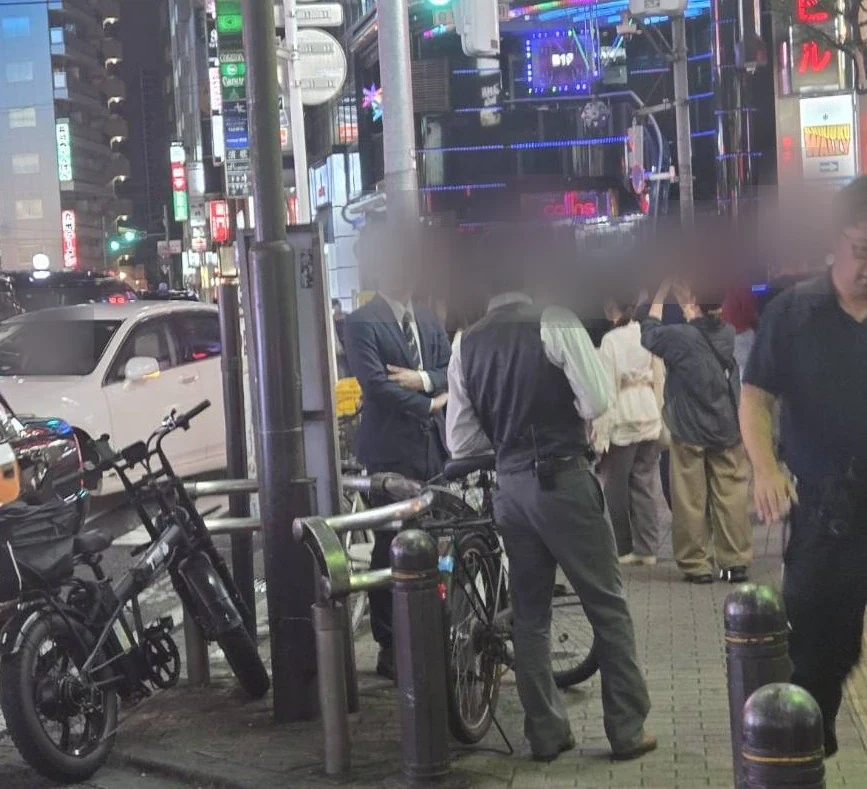
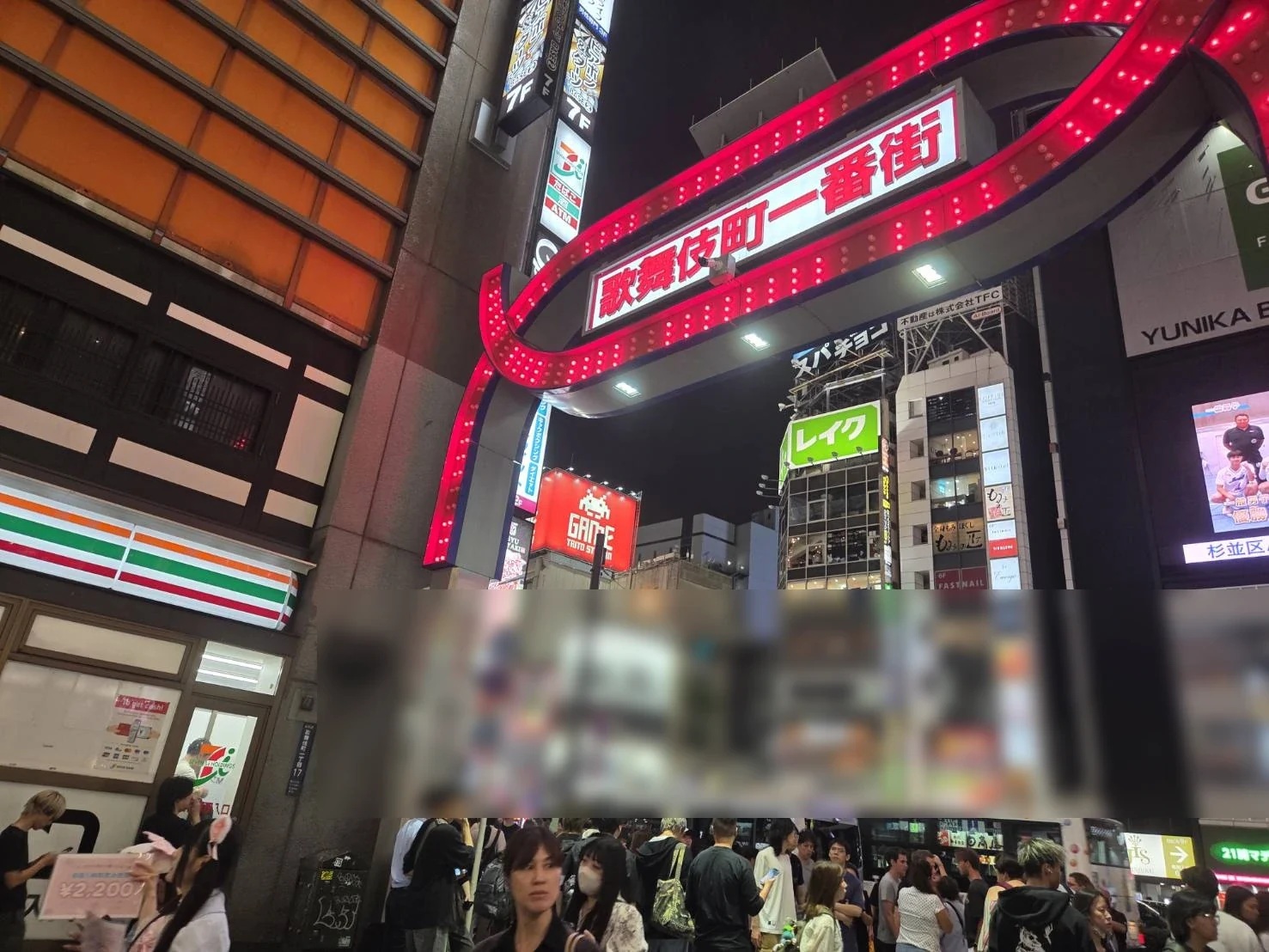
This is the cheapest point to leave. You have ordered nothing and owe nothing.
5. No price list before you sit down
The U.K. government’s advice is direct: “Ensure you see a menu with prices before you enter a bar or restaurant” (GOV.UK). Japanese law backs this up for many nightlife businesses. Article 17 of the Act on Control and Improvement of Amusement Business (the Fueiho) requires licensed entertainment businesses, such as hostess bars, to display their charges inside the premises where customers can easily see them (e-Gov, Act No. 122 of 1948).
Tokyo goes further in areas the Tokyo Public Safety Commission has designated. Its anti-rip-off ordinance of October 13, 2000 (Ordinance No. 196) covers hostess-style bars that serve alcohol there. Article 3 requires them to display their charges, and any “penalty” or other fees a customer is expected to pay, where customers can see them (Tokyo Metropolitan Government, Ordinance No. 196 of 2000).
The designated areas are listed in Tokyo Public Safety Commission Notice No. 248 of November 1, 2000, last amended in 2021. They include Kabukicho 1-chome and 2-chome in Shinjuku; Roppongi 3, 4, 5 and 7-chome, Nishi-Azabu 1 to 4-chome, Akasaka 2 and 3-chome and Shimbashi 2 to 4-chome in Minato; Ginza 5 to 8-chome; Dogenzaka 1 and 2-chome and Udagawacho in Shibuya; Ikebukuro 2-chome, Nishi-Ikebukuro 1 and 3-chome and Higashi-Ikebukuro 1-chome; Kinshi 3-chome; Ueno 2, 4 and 6-chome; and Yushima 3-chome. The notice also names blocks in most of the other wards and in several Tama cities, such as Hachioji and Tachikawa (Tokyo Metropolitan Government, designated areas under Ordinance No. 196). The ordinance’s rules apply to businesses inside those blocks. A bar that cannot show you a price is either breaking a rule or hoping you will not ask.
6. A “set” price that leaves out the extras
Many bars sell a set: a fixed price for a fixed time. The set itself is normal. The red flag is a set with no clear answer on what happens when the time runs out, what the service charge is, and what drinks for staff cost. The ordinance’s Article 3 covers the bar’s charges and any other money a customer is expected to pay, whatever it is called, which is exactly this list. Ask one question at the door: “What will the total be for one hour, for one person, including everything?” If the answer is vague, leave.
7. “All you can drink,” with no list
Shinjuku Police Station’s English leaflet tells visitors to “check whether or not the drink you would like to order is included in the menu.” It also warns that drinks you buy for hosts or hostesses cost extra (Shinjuku Police Station, safe drinking tips (PDF)). The Japanese page says some drinks are not part of the all-you-can-drink plan (Shinjuku Police Station). The station also suggests checking a bar’s online reviews before you go.
Normal Tokyo charges vs. red flags
Not every surprise on a Japanese bill is a scam. The consumer center’s hotline report includes a case where two diners at an izakaya were charged about ¥400 each for an otoshi, a small appetizer they had not ordered (National Consumer Affairs Center, case 7). The center says some of the complaints it receives appear to come from differences in culture, customs and language, not from fraud. Use this table to tell the difference.
| Usually normal | Red flag |
|---|---|
| A small table charge or otoshi appetizer at an izakaya, the same for everyone | A “table charge” that is a large share of the bill and was never mentioned |
| A set price for a fixed time, stated before you sit down | Time “extensions” added without anyone asking you |
| Drinks for staff that you chose to buy, at a price you were told | Staff drinks you never agreed to, or no price given |
| A service charge printed on the menu | A service charge that appears only on the bill |
| A bar staff member calling out in front of their own door | Someone walking with you down the street to “their” bar |
| An itemized bill you can check | One total number and pressure to pay it now |
At the table: red flags 8 to 10
8. Drinks you did not order, or drinks that are far too strong
Australia’s Smartraveller warns of crime in bars and nightclubs, especially in Kabukicho, Shibuya and Roppongi, and says you may be served “drinks with higher alcohol content than normal.” It adds that some victims have woken in unknown places and needed medical attention (Smartraveller). The MPD’s bulletin describes the same method: a tout leads a drunk customer to a bar, the first drink is very strong, the customer falls asleep, and a large card charge shows up later (MPD). Canada warns of staff “or other customers” mixing drugs and large amounts of alcohol into drinks, and says to be wary of snacks, drinks, gum or cigarettes from new acquaintances (Government of Canada, Japan travel advice).
If a drink tastes wrong, or you feel far drunker than you should, stop. Tell a friend. If you are alone and feel unwell, call 119 for an ambulance.
9. Your glass or your card leaves your sight
The U.K. government lists “not leaving drinks unattended” and “securing your finances against fraudulent transactions” among its precautions (GOV.UK). If you step away, order a fresh drink when you come back. If a card has to be handed over, watch it being used and take it back at once. The MPD’s own warning is about cards being used “without your knowledge,” which only works when the card is out of your hands.
10. Nobody will tell you the running total
GOV.UK says to “keep track of what you order.” Do it on your phone: one line per drink, with the time. If staff will not tell you the running total when you ask, that tells you something. It also gives you a record if you later need to talk to the police or your card company.
When the bill comes: red flags 11 and 12
11. Rough words, a blocked door, your things “missing”
Tokyo’s anti-rip-off ordinance names these tactics. Article 4 bans collecting charges with rough or violent words or actions, or by hiding belongings a customer handed over, or in other ways that cause distress. It also bans anyone who solicits customers from making prices sound far lower than they really are. Under Article 11, a breach of Article 4 carries up to six months’ imprisonment or a fine of up to ¥500,000 (Ordinance No. 196 of 2000).
The U.S. State Department reports worse: U.S. citizens “threatened with guns or knives in such venues” and asked to pay excessive bills or withdraw money (U.S. Department of State, Japan country information). Canada notes that “disputes over overcharging have led to violence.” Do not argue it out alone. Call 110 from where you are. The MPD says that if you do not speak Japanese, “a police interpreter will be on the line to assist you” (MPD, how to contact the police). Shinjuku Police Station adds: if you cannot call, go to the nearest police box (koban).
12. “We’ll walk you to an ATM”
Three governments describe this step. The U.S. reports citizens “forced to take money out of ATMs.” Australia says victims have been taken to ATMs and forced to withdraw a large sum of cash while under the effects of drink spiking. Canada says the same, adding that some victims have “little to no recollection of events.” Leaving the bar with staff to find cash moves you away from witnesses. Stay where other people can see you and call 110.
What Tokyo law says, in one table
You do not need to quote the law to anyone. But knowing that these tactics are named in the rules can help you stay calm and call the police rather than pay to make it stop.
| Rule | What it covers | Penalty stated in the text |
|---|---|---|
| Tokyo anti-rip-off ordinance (Ordinance No. 196 of 2000), Art. 3 | In designated areas (Public Safety Commission Notice No. 248), hostess-style bars must display their charges and any penalty or other fees where customers can see them | False or misleadingly low price displays: up to 6 months’ imprisonment or ¥500,000 (Art. 11) |
| Same ordinance, Art. 4 | No misleading price claims when soliciting; no collecting with rough words or actions, or by hiding belongings a customer handed over | Up to 6 months’ imprisonment or ¥500,000 (Art. 11) |
| Fueiho (Act No. 122 of 1948), Art. 17 | Licensed entertainment businesses must display their charges on the premises | Not covered here; see the full act on e-Gov |
| Tokyo nuisance prevention ordinance (Ordinance No. 103 of 1962), Art. 7(1)(iv) | No persistent touting: grabbing a person or their clothes, taking their belongings, blocking their way or following them | Fine up to ¥500,000, or detention or a petty fine (Art. 8) |
Enforcement against touts is real but not total. MPD tout and scout arrests fell from 712 in 2015 to 333 in 2024 (MPD, updated October 29, 2025). The MPD does not say whether the drop reflects fewer touts or other factors, so we do not draw a conclusion from it.

Where governments say to take extra care
These are the Tokyo areas the four governments name. Being named does not mean an area is unsafe to walk through. It means the red flags above show up there more often.
- U.K.: Kabukicho, Roppongi, Shibuya and Ikebukuro, which it says the Japanese police have identified as high-risk zones.
- U.S.: Roppongi, Kabukicho, Shibuya and Ikebukuro.
- Australia: Shinjuku (Kabukicho), Shibuya and Roppongi.
- Canada: Kabukicho, Roppongi, Shibuya, Ikebukuro, Shinjuku and Golden Gai.
- MPD (Japanese-language bulletin): lists Shinjuku Kabukicho, Kinshicho, Shimbashi, Shibuya, Ikebukuro, Ueno-Yushima and Tachikawa as areas where illegal touting occurs. It notes many fraudulent card charges at bars in Kinshicho since around 2018, mostly at places reached through illegal touts.
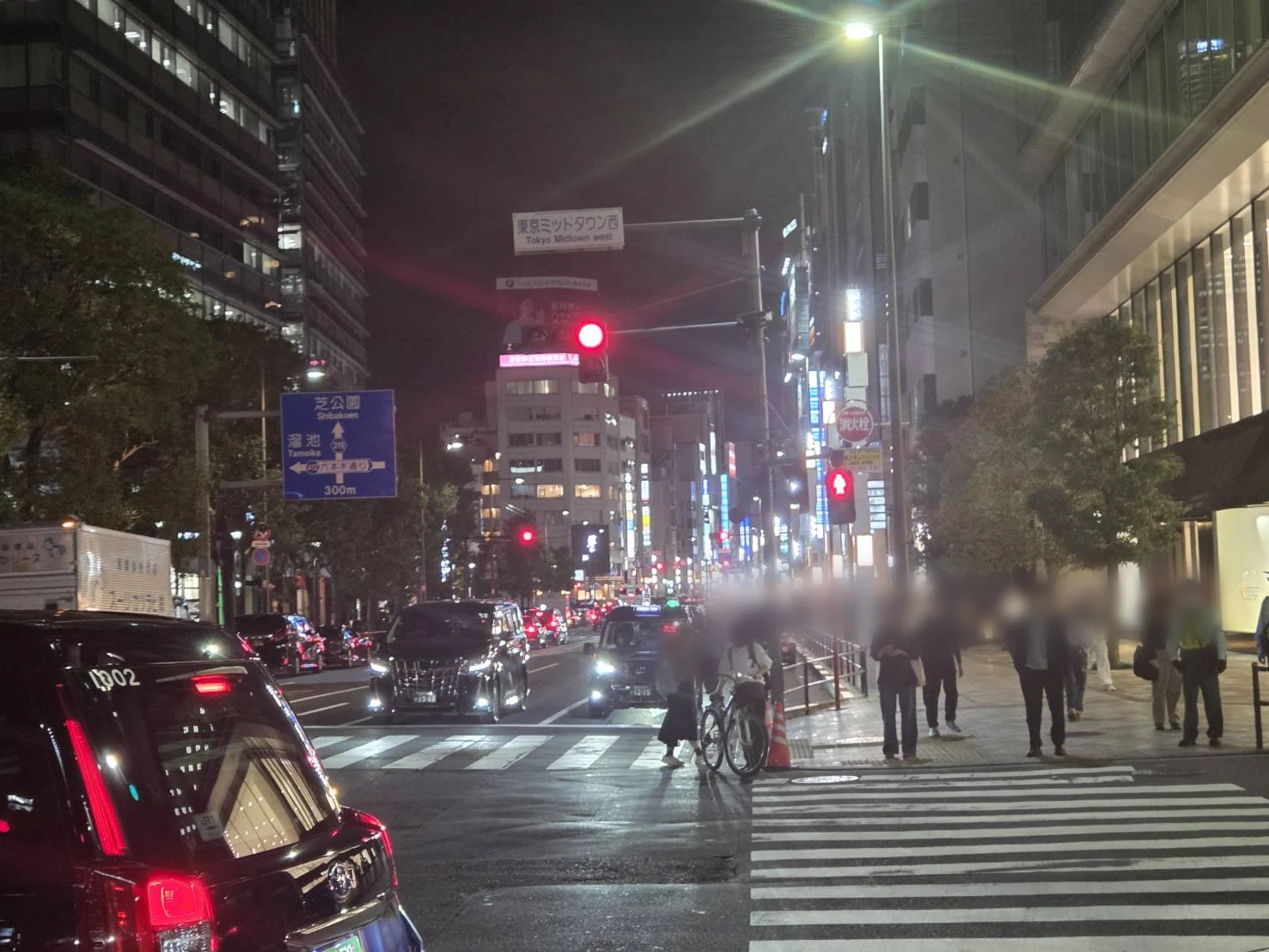
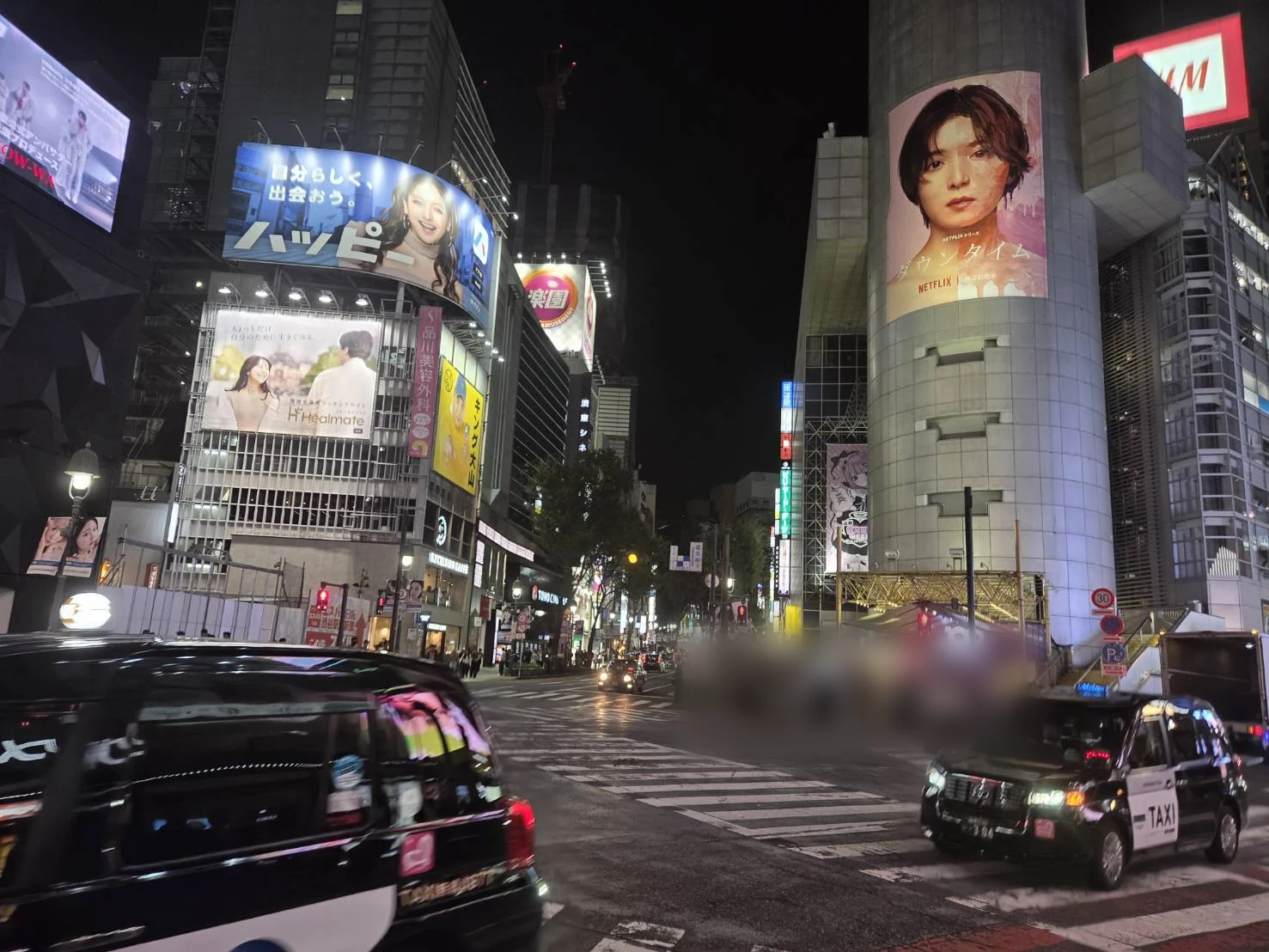
- Tokyo anti-rip-off ordinance: this is a different kind of list. It marks the blocks where the ordinance’s price-display and collection rules apply, including Kabukicho, Roppongi, Ginza, Shibuya’s Dogenzaka, Ikebukuro, Kinshicho and Ueno (see red flag 5).
Do you have to pay a rip-off bill?
We did not find an official source that gives a simple yes or no, and we do not give one here. Tokyo’s ordinance bans collecting a bill with rough words or by hiding your belongings, but we found nothing in it that says whether the bill itself is owed.
The clearest official discussion is a 2016 warning about rip-off bars from Japan’s National Consumer Affairs Center. It says there is a view that you do not have to pay because no contract was made to eat and drink at that price. It then adds that because the customer did go to the bar and received food, drinks or service, whether the whole bill is unfair cannot be judged in a single way (our translation). It also warns that rip-off bars do not negotiate refunds in good faith, so once you have paid, getting the money back is difficult. Its advice: call 110 or go to a koban, ask your card company about any charge you question, and talk to a consumer affairs center as early as possible (National Consumer Affairs Center, rip-off bar warning, March 17, 2016 (PDF, Japanese)).
Arguing it out on your own carries its own risks. GOV.UK says British nationals have been arrested at clubs and bars after disputes with staff and doorpersons over excessive bills. The U.S. State Department says U.S. citizens have reported being beaten when they refused to pay. So do not settle it alone: call 110, keep your own record of what you ordered, and for advice on your own case, contact a lawyer or your embassy.
If a flag goes up: what to do, in order
- Before you sit down: leave. You owe nothing for walking in and out.
- After you sit down: ask for the bill for what you have ordered so far, check it against your own list, and leave.
- If you are pressured, threatened or blocked: call 110. An interpreter joins the call. If you cannot call, go to the nearest koban.
- If your card was charged: call your card issuer as soon as you can.
- Get a police report before you fly home. The State Department says reports must be filed at a police station before you leave Japan, because “the Japanese police cannot accept reports filed from abroad.” Smartraveller warns that in these cases it can be hard to get a police report for your bank and insurer, so ask early.
Two phone lines can help after the night is over. The Consumer Hotline for Tourists, 03-5449-0906, run by the National Consumer Affairs Center, handles problems with “stores, restaurants, bars, transportation, or hotels” in English, Chinese, Korean, Thai, Vietnamese, French and Japanese. It answers only on weekdays, 10:00 a.m. to noon and 1:00 to 4:00 p.m., and it says it “does not have legal enforcement authority” over businesses (Consumer Hotline for Tourists). The center opened it on December 3, 2018, and handled 283 consultations in its first year (National Consumer Affairs Center, first-year report). The Japan Visitor Hotline, 050-3816-2787, from the Japan National Tourism Organization, answers 24 hours a day in English, Chinese and Korean for emergencies and general help (JNTO, Japan Visitor Hotline). Neither replaces 110 when you are in danger.
What we could not confirm
- A clear rule on whether you must pay a disputed bill. The consumer center describes the question but does not settle it, and we found no official English guidance. It depends on the facts. Call 110 and let the police handle it rather than refusing or paying under pressure.
- How many rip-off cases happen in Tokyo each year. The MPD publishes tout arrest totals, but we found no official annual figure for overcharging cases in Tokyo. The consumer center counted 509 consultations about rip-off bars nationwide in fiscal 2014, but that is an old national figure for consultations, not a count of Tokyo cases.
Frequently asked questions
Is it safe to follow a tout in Tokyo?
No. The Tokyo Metropolitan Police Department tells foreign visitors, “Do not follow street touts under any circumstance,” and warns that some touts take visitors to partner bars that overcharge or misuse credit cards. The U.K. government says most British victims were approached in English by touts in Kabukicho.
How do I know if a Tokyo bar is a rip-off before I go in?
Ask to see a price list before you sit down, and ask what the total will be for your time, including service charges and any staff drinks. In designated areas such as Kabukicho and Roppongi, Tokyo’s anti-rip-off ordinance requires hostess-style bars to display their charges. If a bar will not show prices, leave.
Is an otoshi or table charge a scam?
Usually not. Many izakaya charge a small fee for an appetizer called otoshi. Japan’s National Consumer Affairs Center recorded a tourist complaint about an otoshi of about ¥400 per person, and says some complaints appear to come from differences in culture, customs and language. A large, unexplained table charge that was never mentioned is a different matter.
Do I have to pay a rip-off bar bill in Tokyo?
We found no official source that gives a simple yes or no. Japan’s National Consumer Affairs Center says one view is that you need not pay because no contract was made at that price, but that whether the whole bill is unfair cannot be judged in a single way. It warns that money is hard to recover once paid. Do not argue it out alone: call 110, and ask a lawyer or your embassy about your own case.
What should I do if a bar in Tokyo overcharges me?
If you are pressured, threatened or cannot leave, call 110. The Tokyo police say an interpreter will join the call if you do not speak Japanese. Contact your card issuer quickly, and file a police report before you leave Japan. The Consumer Hotline for Tourists, 03-5449-0906, can advise later on weekdays.
Which areas of Tokyo have the most bar scams?
The U.S. and U.K. governments both name Roppongi, Kabukicho, Shibuya and Ikebukuro. Canada also lists Shinjuku and Golden Gai. The Tokyo police list Kabukicho, Kinshicho, Shimbashi, Shibuya, Ikebukuro, Ueno-Yushima and Tachikawa as areas where illegal touting occurs. Being named does not make an area unsafe to walk through.
Can I file a police report after I get home?
No. The U.S. State Department says police reports must be filed at a police station before you leave Japan, because the Japanese police cannot accept reports filed from abroad. If you need a report for your bank or insurer, ask for it before your flight.